
The following are a few frequent factors that can raise your cholesterol levels:
- Heredity
- Diet
- Weight
- Physical inactivity
- Age
- Gender
- Alcohol
- Stress
High blood cholesterol, on the other hand, has no symptoms. As a result, it’s critical to monitor your cholesterol levels on a regular basis in order to lower your risk of coronary heart disease.
You have a higher risk of coronary heart disease if your total cholesterol level is between 5.2 and 6.1mmol/L. Hypercholesterolaemia is defined as a total cholesterol level of 6.2 mmol/L or above, which can be caused by genetic factors, diabetes, obesity, and bad eating habits.
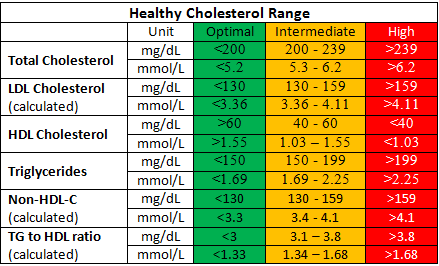
The ideal LDL level is determined by your prior risk of coronary heart disease. You are in the high-risk group if you already have coronary artery disease, peripheral vascular disease, or diabetes, and the ideal level is higher. In contrast, if you have no or only one risk factor, a higher LDL number before medical intervention is appropriate.
Because HDL protects against heart disease, the more HDL you have, the better. A level of less than 1.0 mmol/L is considered low and poses a risk. When HDL levels are 1.0 mmol/L or above, the risk of heart disease is reduced. HDL cholesterol levels in women are generally greater than in men.
Triglyceride levels that are higher than usual increase your risk of cardiovascular disease. Obese adults and people with poorly controlled diabetes are more likely to have high triglyceride levels. Your triglyceride and cholesterol levels tend to rise as you get older and more overweight.
 LIFE SHINE