In Australia, the majority of eye injuries are minor, however occasional workplace accidents can result in serious injury, vision loss, or even blindness. Eye damage is a risk in any work that involves airborne particles or harmful substances. Additional dangers include handling chemicals under high pressure or maintaining a strap under strain that could abruptly release.
The eye is incredibly delicate, and even mild injuries can result in irreversible vision loss.
Ordinary eyewear isn’t enough to keep you safe from harm. In fact, contact lenses can exacerbate an eye injury. In Australia, working-age men are the most vulnerable to major eye injuries.
If sufficient precautions are taken, the risk of workplace eye injuries is lowered. Pay attention to your working environment and make sure you’re dressed appropriately.
Gender, height, age, and genetics all play a role in determining our ideal weight. Obesity and overweight people are at a higher risk for a variety of ailments, including diabetes, heart disease, and cancer.
Excess body fat is the result of eating more than we require. Extra calories can be obtained from any caloric food, including protein, fat, carbohydrate, and alcohol, although fat is the most concentrated source of energy. Physical activity allows us to expend energy while also making us feel good. The message is straightforward: if we are gaining weight, we must eat less and exercise more!
Stress has a critical function in our lives: it allows us to react swiftly to challenges and avert danger. Long-term stress, on the other hand, can cause mental health issues (such as anxiety and depression) as well as physical health issues. Increased stress levels, according to a substantial body of research, interfere with your ability to manage with physical sickness. While no one can completely escape stress, you can learn to manage it in healthy ways that can help you recover faster.
1 – To improve your health, eat and drink the right things. Some people try to relieve stress by drinking too much alcohol or overeating. These acts may appear to help in the short term, but they may actually increase stress in the long run. Caffeine can amplify the negative consequences of stress. Stress can be alleviated by eating a healthy, well-balanced diet.
2 – Exercise on a regular basis. Exercise has been demonstrated to be a potent stress reliever in addition to its physical health advantages. Set fair goals for yourself and choose non-competitive aerobic exercise, weightlifting, or movement exercises like yoga or Tai Chi. Endorphins—natural compounds that help you feel better and keep a pleasant attitude—have been demonstrated to be released during aerobic exercise.
3 – Quit smoking and using nicotine products. Nicotine users frequently refer to it as a stress reliever. Nicotine, on the other hand, causes the body to become more stressed by increasing physical arousal and decreasing blood flow and respiration.
4 – Research and practice relaxing methods. Taking time to relax every day can help you manage stress and protect your body from its negative consequences. Deep breathing, visualization , gradual muscle relaxation, and mindfulness meditation are just a few of the approaches available. There are a plethora of online and mobile apps that offer assistance on these tactics; while some need a payment, the most are free.
5 – Reduce stress triggers. If you’re like most people, you probably have too many obligations and not enough time. These are, for the most part, demands that we have made. You may free up time by exercising time-management skills such as asking for help when needed, setting priorities, pacing yourself, and setting aside time for self-care.
6 – Examine and live by your values. No matter how hectic your life is, the more your actions represent your beliefs, the better you will feel. When choosing hobbies, keep your ideals in mind.
7 – Make a strong case for yourself. It’s fine to say “No” to requests for your time and energy that may cause you undue stress. You don’t have to always live up to others’ expectations.
8 – Make sure your goals and expectations are reasonable. It’s quite acceptable—and healthy—to accept that you won’t be 100 percent successful at everything all of the time. Be aware of the things you can influence, and focus on accepting the things you can’t.
9 – Make a pitch to yourself. Remind yourself of your strengths when you’re feeling overwhelmed. Have a good feeling of self-worth.
The body’s response to a challenge or demand is stress. Everyone is subject to stress, which can be brought on by a variety of events ranging from little irritations to big life changes such as divorce or job loss. Physical components of the stress response include increased heart rate and blood pressure, as well as thoughts and personal ideas about the stressful experience, as well as emotions such as fear and rage. Although we commonly associate stress with unpleasant events, it can also result from positive developments in your life, such as a job promotion or the birth of a child.
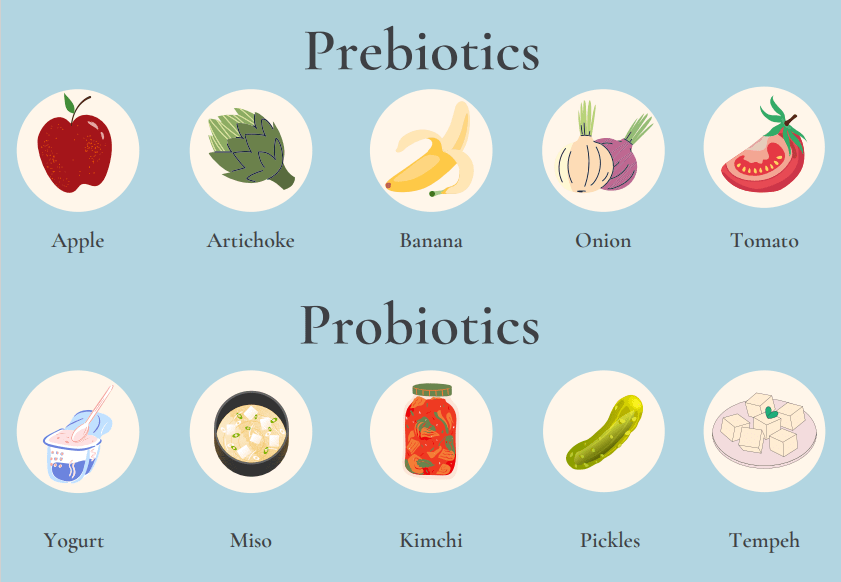
You’ll be healthier if you have a healthy stomach! Take a daily probiotic supplement to keep your body and biome in check. Probiotics (friendly bacteria and yeasts) aid in the digestion of food, the production of vitamins, the elimination of toxins, and more. Because the stomach houses so much of our immune system, excellent digestive health also means good overall health. Our All-FloraTM Probiotic is designed to replace good bacteria while lowering bad bacteria in your stomach, promoting probiotic activity and improving gut health.
Waterborne diseases such as cholera, diarrhoea, hepatitis A, typhoid, and polio can all be contracted by drinking contaminated water. At least 2 billion people around the world drink water that has been contaminated with feces. Make sure the water you’re drinking is safe by checking with your water concessionaire and water refilling station. Boil your water for at least one minute if you don’t know where your water comes from. This will kill hazardous bacteria in the water. Allow it to cool completely before drinking.
Infectious diseases like influenza, pneumonia, and tuberculosis are spread through the air. Infectious agents can be spread to others through airborne droplets when an infected person coughs or sneezes. When you start coughing or sneezing, make sure you cover your mouth with a face mask or a tissue, then dispose of it properly. When you cough or sneeze and don’t have a tissue handy, cover your mouth as much as possible with the crook (or inside) of your elbow.
Life is movement. Daily exercise has been demonstrated to have numerous health benefits, including increased longevity, decreased disease risk, increased bone density, and weight loss. Increase your physical activity. For short distances, walking is preferable to taking public transportation. Instead of taking the elevator, take the steps. Participate in an aerobics or dance class. Choose a sport that you enjoy.
Starting off with a Good Sleep routine. A good sleep routine is about eight hours a night when you wake up and go to bed and around the same time every day. It will help reduce stress-causing hormones like cortisol. It will also help boost the body’s immune system so you can get sick less and stay healthy for longer. And above all it will help recover the body after exercise, so you can perform at your highest level every day.
The following are a few frequent factors that can raise your cholesterol levels:
Heredity
Diet
Weight
Physical inactivity
Age
Gender
Alcohol
Stress
High blood cholesterol, on the other hand, has no symptoms. As a result, it’s critical to monitor your cholesterol levels on a regular basis in order to lower your risk of coronary heart disease.
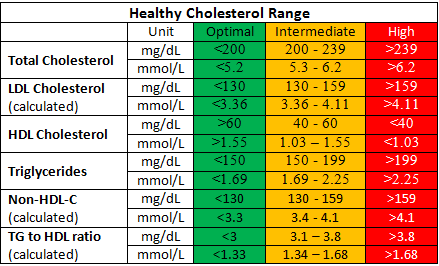
You have a higher risk of coronary heart disease if your total cholesterol level is between 5.2 and 6.1mmol/L. Hypercholesterolaemia is defined as a total cholesterol level of 6.2 mmol/L or above, which can be caused by genetic factors, diabetes, obesity, and bad eating habits.
The ideal LDL level is determined by your prior risk of coronary heart disease. You are in the high-risk group if you already have coronary artery disease, peripheral vascular disease, or diabetes, and the ideal level is higher. In contrast, if you have no or only one risk factor, a higher LDL number before medical intervention is appropriate.
Because HDL protects against heart disease, the more HDL you have, the better. A level of less than 1.0 mmol/L is considered low and poses a risk. When HDL levels are 1.0 mmol/L or above, the risk of heart disease is reduced. HDL cholesterol levels in women are generally greater than in men.
Triglyceride levels that are higher than usual increase your risk of cardiovascular disease. Obese adults and people with poorly controlled diabetes are more likely to have high triglyceride levels. Your triglyceride and cholesterol levels tend to rise as you get older and more overweight.






 LIFE SHINE