Protect yourself from the sun

Protecting your skin from the sun is one of the most important aspects of skin care. Sun exposure throughout a lifetime can lead to wrinkles, age spots, and other skin issues, as well as an increased risk of skin cancer.

To get the most comprehensive sun protection, follow these steps:

Apply sunscreen to your skin – Use a broad-spectrum sunscreen with an SPF of at least 15 to protect yourself from the sun. Apply sunscreen liberally and reapply every two hours — or more frequently if you’re swimming or sweating heavily.


Seek out some shade – Avoid the sun during the hours of 10 a.m. and 4 p.m., when the sun’s rays are at their most powerful.


Put on some protection gear – Tightly knit long-sleeved shirts, long leggings, and wide-brimmed caps will keep your skin protected. Consider UV-protective laundry additives, which provide an extra layer of UV protection for a set number of washes, or special sun-protective clothing, which is designed to block ultraviolet radiation.
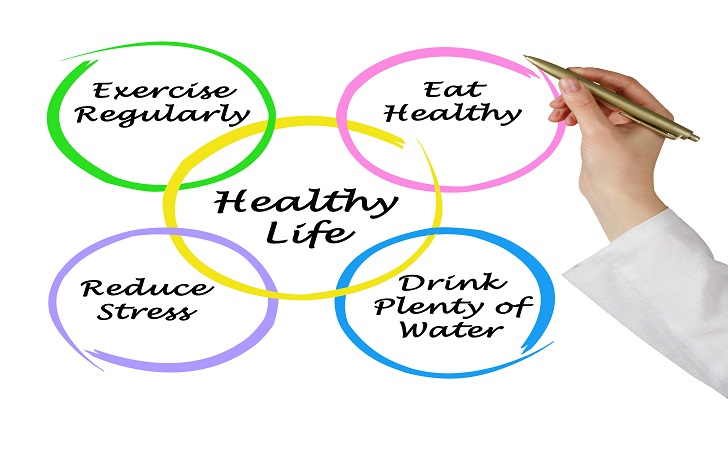

Healthier Life

What is your current state of health? Do you eat a balanced diet? Do you work out on a regular basis? Do you make it a point to drink at least eight glasses of water each day? Do you get enough sleep on a daily basis? Do you maintain a healthy way of life?

Our bodies are temples, and we must care for them. Are you aware that more than 70% of Americans are obese or overweight? That’s crazy! Consider your body as a physical shell that will carry you through life. Your shell will quickly wear out if you constantly abuse it.

You don’t want to bog yourself down with unneeded health issues because life is beautiful. Your important organs may be functioning normally now, but they may not be tomorrow. Take care of yourself and don’t take your health for granted. Take good care of yourself.

Good health entails more than just eating well and exercising regularly; it also entails having a happy attitude, a positive self-image, and leading a healthy lifestyle. In this essay, I offer 45 suggestions for living a healthier lifestyle. This post is worth bookmarking and saving the tips for since they will help you live a healthy life.

Fitness and stress reduction

Be active

Instead of taking the elevator, take the steps.
Every day, engage in at least 30 minutes of physical activity. If the thought of sweating for hours at a gym does not appeal to you, head outside for a game of ultimate Frisbee. Alternatively, go for a stroll or a run. What matters is that you get started!

Relax

To avoid unneeded and avoidable stress, keep oneself organized.
Turn off the television and listen to music instead.
Make time for rest and introspection every day, even if it’s only for 15 minutes.
Make sure you get enough rest.
Allow at least 30 minutes of peaceful calming activity, such as reading, before going to bed.
When you’re stressed out from writing papers, studying, etc., resist the urge to use sleeping pills.
It is not a waste of time to sleep! It’s just as vital as eating well and exercising.

Diet and exercise can help control blood sugar spikes.

If you have diabetes, you’re aware that your overall blood sugar levels (also known as glucose) indicate how effectively you’ve managed your illness. You reduce your risk of problems including eyesight loss and renal disease by maintaining a normal and consistent level. You’ll not only be able to control your blood sugar, but you’ll also reduce your chances of having a heart attack or stroke. You’ll have extra energy as well.

Medicine can help you maintain a healthy blood sugar level. However, the foods you eat and how active you are play a role.

Check Medicine For Blood Sugarhttps://tinyurl.com/sfpjcdka

Select foods that have a low glycemic index.

The glycemic index (GI) is a measurement of how quickly carbohydrates break down and are absorbed by your body during digestion. This influences the rate at which your blood sugar levels rise.

On a scale of 0–100, the GI separates foods into low, medium, and high GI categories. Foods with a GI of 55 or below are considered low GI.

The number and kind of carbohydrates you consume have an impact on how a food impacts your blood sugar levels. Low GI meals, in particular, have been demonstrated to lower blood sugar levels in patients with diabetes.

The following are some examples of foods having a low to moderate GI:

unsweetened bulgur barley Greek yogurt
non-starchy vegetables oats beans lentils legumes whole wheat pasta
Furthermore, by including

Eat more fiber

Eat more fiber

Fiber slows carb digestion and sugar absorption, thereby promoting a more gradual rise in blood sugar levels

There are two types of fiber — insoluble and soluble.

While both are important, soluble fiber has explicitly been shown to improve blood sugar management, while insoluble fiber hasn’t been shown to have this effect

A high fiber diet can improve your body’s ability to regulate blood sugar and minimize blood sugar lows. This could help you better manage type 1 diabetes

Foods that are high in fiber include:

  • vegetables
  • fruits
  • legumes
  • whole grains

The recommended daily intake of fiber is about 25 grams for women and 35 grams for men. That’s about 14 grams for every 1,000 calories

What’s the quickest way to de-stress?

There are numerous methods for dealing with stress. Stress-relieving activities such as yoga, mindfulness meditation, and exercise are just a few examples. However, you cannot just excuse yourself to meditate or go for a long walk in the heat of the moment, such as during a high-pressured job interview or a fight with your spouse. You need something more immediate and accessible in these situations.

Engaging one or more of your senses—sight, hearing, taste, smell, touch—or moving is one of the quickest and most consistent ways to relieve stress. Because everyone is different, you’ll have to experiment to figure out which strategy works best for you—but the result will be enormous. When you know how to swiftly reduce stress, you can stay calm, productive, and focused.

Your body’s most evolved and reliable approach for controlling the nervous system is social interaction. Face-to-face communication with a calm and sympathetic listener can help you swiftly de-stress and release tension. Although having a friend to lean on in a stressful situation isn’t always possible, maintaining a network of close relationships is critical for your mental health. You’ll be covered on all fronts with sensory-based stress alleviation and good listeners.

Keep a close eye on your blood pressure at home and see your doctor on a frequent basis.

Home monitoring can assist you in keeping track of your blood pressure, ensuring that your lifestyle modifications are working, and alerting you and your doctor to potential health issues. Blood pressure monitors are commonly available and require no prescription. Before you start, talk to your doctor about home monitoring.

It’s also important to see your doctor on a regular basis if you want to keep your blood pressure under control. If your blood pressure is under control, ask your doctor how often you should have it checked. Your doctor may advise you to check it daily or less frequently. If you’re changing drugs or treatments, your doctor may advise you to check your blood pressure two weeks after making the changes and one week before your next appointment.

For blood sugar regulation, consume a healthy diet.

A healthy eating plan for persons with diabetes is similar to a healthy eating plan for people without diabetes. The American Diabetes Association (ADA) endorses the general public’s dietary recommendations, which include a diet rich in fruits, vegetables, whole grains, legumes (peas and beans), and low-fat dairy.

You should, however, pay close attention to your carbohydrate intake.

Vegetables, fruits, and whole grains are higher in fiber and give more nutrition per calorie than processed carbohydrates. High-fiber foods take longer to digest, resulting in a more gradual rise in blood sugar.

Carbohydrates should account for roughly 45 percent to 55 percent of total calories consumed each day for most diabetics. Make prudent carbohydrate choices, preferably from vegetables, whole grains, and fruits. Avoid white bread, pasta, and rice, as well as highly processed carbohydrates.