
You may discover that certain physical activities that were once second nature are now proving to be considerably more difficult as you get older. According to a new Harvard Health study, sarcopenia (age-related muscle loss) “may begin around age 35 and occurs at a rate of 1 to 2 percent each year for the average person.” After the age of 60, it can accelerate to 3% every year. Muscle loss might be minor, moderate, or severe, or it can be within normal parameters.” Fortunately, you may avoid muscle loss by including a number of modest strength-training activities into your daily routine.
Category Archives: Life Shine
Muscle loss can begin as early as your thirties—here are six strength-training exercises that won’t feel like a workout.
As you get older, you may notice that certain physical activities that were previously second nature are now proving to be much more challenging. Sarcopenia (age-related muscle loss) “may begin around age 35 and happens at a rate of 1 to 2 percent each year for the average person,” according to a new Harvard Health research. It can accelerate to 3% per year after the age of 60. Muscle loss might be slight, moderate, or severe, or it can stay within normal limits.” Fortunately, there are a variety of simple strength-training activities that you may include in your regular routine to help prevent muscle loss.
Exercise Regularly
Staying physically fit has numerous benefits, including boosting cardiovascular and muscular health and fighting disease. Exercise can also positively affect your mental well-being by helping the body relieve stress and reduce depression. Protecting your mental health has been especially critical during the stress of the pandemic, so try to squeeze in the minimum American Heart Association-recommended 150 minutes of moderate-intensity aerobic exercise each week, plus at least two days on which you do muscle-strengthening activities.
take a probiotic daily
Maintaining a healthy gut has significant impacts on digestion, skin health, immunity, mental health and more. Taking a daily probiotic with a glass of water each morning is one of the simplest things you can do to boost your gut health (which, in turn, boosts overall health in many ways too). Learn more about the health benefits of probiotics (and all the ways to get them in your diet), and shop our favorite probiotic supplement here.
make half your plate veggies
make half your plate veggies
A simple hack for healthy eating (and portion control) is to make half your plate veggies at each meal. The veggies pack in essential vitamins, minerals and other phytonutrients important for health and longevity. And, because they’re rich in fiber, they help to aid digestion (aka keep you regular!) and keep you feeling full longer.
What happens to your health if you stop exercising?
We all know the therapeutic benefits of exercise and regularly working out, which help keep you in shape and help sustain proper body function. It has been recommended that every healthy individual engage in 45-50 minutes of moderate intensity exercise on a regular basis as well.
drink a glass of water first thing in the morning

Coffee’s great too, but it’s best to start your day by re-hydrating with a full glass of water. Hydrating first thing in the morning helps to aid digestion, enhance skin health and boost energy.
7 Exercise Need to Do Daily For Your Fitness

exercise is essential for overall health, but when you’re trying to lose weight it becomes even more important. If you’re aiming to lose weight without the gym, you can rely on the best exercises to do at home to lose weight.
Watch to Learn – http://fumacrom.com/2M1Vp
DO THIS 3 THINGS EVERY MORNING
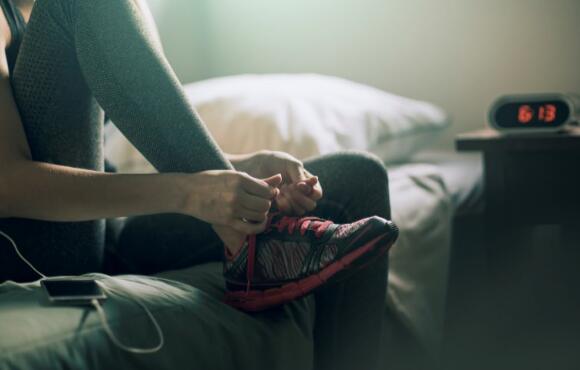
We know daily exercise is good for optimizing health. But with so many options and limitless information available, it’s easy to get overwhelmed with what works. But not to Worry. let’s Do This Things Every Morning. Learn – http://adfoc.us/7040201
WASH FACE BEFORE GO TO BED AT NIGHT

Don’t go to sleep without thoroughly washing your face. Over the course of the day your skin and pores collect dirt and oil. If you don’t wash it all off before you hit the hay, the dirt will clog your pores overnight and you’ll wake up with irritated skin that is quite the opposite of a healthy, glowing complexion.
 LIFE SHINE