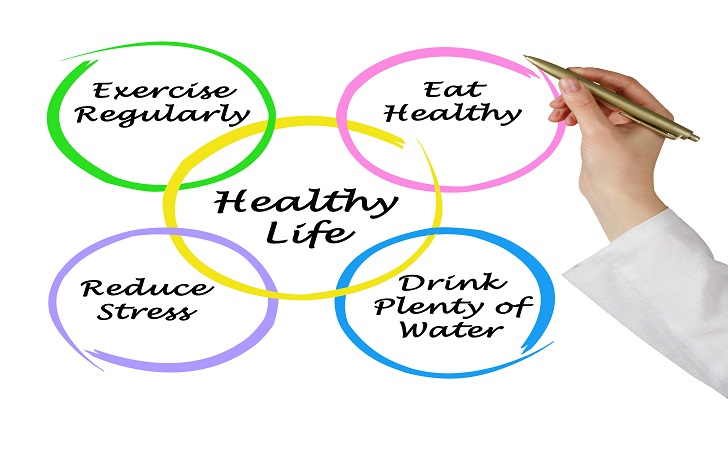
Life is movement. Daily exercise has been demonstrated to have numerous health benefits, including increased longevity, decreased disease risk, increased bone density, and weight loss. Increase your physical activity. For short distances, walking is preferable to taking public transportation. Instead of taking the elevator, take the steps. Participate in an aerobics or dance class. Choose a sport that you enjoy.
Starting off with a Good Sleep routine. A good sleep routine is about eight hours a night when you wake up and go to bed and around the same time every day. It will help reduce stress-causing hormones like cortisol. It will also help boost the body’s immune system so you can get sick less and stay healthy for longer. And above all it will help recover the body after exercise, so you can perform at your highest level every day.
The following are a few frequent factors that can raise your cholesterol levels:
Heredity
Diet
Weight
Physical inactivity
Age
Gender
Alcohol
Stress
High blood cholesterol, on the other hand, has no symptoms. As a result, it’s critical to monitor your cholesterol levels on a regular basis in order to lower your risk of coronary heart disease.
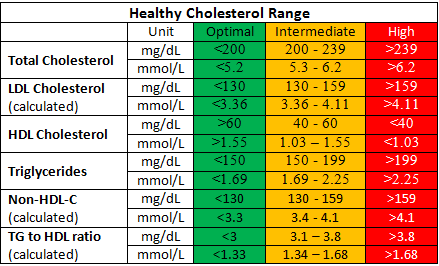
You have a higher risk of coronary heart disease if your total cholesterol level is between 5.2 and 6.1mmol/L. Hypercholesterolaemia is defined as a total cholesterol level of 6.2 mmol/L or above, which can be caused by genetic factors, diabetes, obesity, and bad eating habits.
The ideal LDL level is determined by your prior risk of coronary heart disease. You are in the high-risk group if you already have coronary artery disease, peripheral vascular disease, or diabetes, and the ideal level is higher. In contrast, if you have no or only one risk factor, a higher LDL number before medical intervention is appropriate.
Because HDL protects against heart disease, the more HDL you have, the better. A level of less than 1.0 mmol/L is considered low and poses a risk. When HDL levels are 1.0 mmol/L or above, the risk of heart disease is reduced. HDL cholesterol levels in women are generally greater than in men.
Triglyceride levels that are higher than usual increase your risk of cardiovascular disease. Obese adults and people with poorly controlled diabetes are more likely to have high triglyceride levels. Your triglyceride and cholesterol levels tend to rise as you get older and more overweight.
Smoking causes wrinkles and makes your skin look older. Smoking constricts the small blood vessels in the skin’s outer layers, reducing blood flow and making the skin darker. This depletes the skin’s supply of oxygen and nutrients, all of which are essential for skin health.
Collagen and elastin, the fibers that give your skin strength and elasticity, are also damaged by smoking. Furthermore, smoking-related facial gestures, such as pursing your lips when inhaling and squinting your eyes to keep smoke out, can contribute to wrinkles.
Furthermore, smoking raises your chances of developing squamous cell skin cancer. Quitting smoking is the best method to protect your skin. Consult your doctor for advice or therapies to assist you in quitting smoking.
Protecting your skin from the sun is one of the most important aspects of skin care. Sun exposure throughout a lifetime can lead to wrinkles, age spots, and other skin issues, as well as an increased risk of skin cancer.
To get the most comprehensive sun protection, follow these steps:
Apply sunscreen to your skin – Use a broad-spectrum sunscreen with an SPF of at least 15 to protect yourself from the sun. Apply sunscreen liberally and reapply every two hours — or more frequently if you’re swimming or sweating heavily.
Seek out some shade – Avoid the sun during the hours of 10 a.m. and 4 p.m., when the sun’s rays are at their most powerful.
Put on some protection gear – Tightly knit long-sleeved shirts, long leggings, and wide-brimmed caps will keep your skin protected. Consider UV-protective laundry additives, which provide an extra layer of UV protection for a set number of washes, or special sun-protective clothing, which is designed to block ultraviolet radiation.
What is your current state of health? Do you eat a balanced diet? Do you work out on a regular basis? Do you make it a point to drink at least eight glasses of water each day? Do you get enough sleep on a daily basis? Do you maintain a healthy way of life?
Our bodies are temples, and we must care for them. Are you aware that more than 70% of Americans are obese or overweight? That’s crazy! Consider your body as a physical shell that will carry you through life. Your shell will quickly wear out if you constantly abuse it.
You don’t want to bog yourself down with unneeded health issues because life is beautiful. Your important organs may be functioning normally now, but they may not be tomorrow. Take care of yourself and don’t take your health for granted. Take good care of yourself.
Good health entails more than just eating well and exercising regularly; it also entails having a happy attitude, a positive self-image, and leading a healthy lifestyle. In this essay, I offer 45 suggestions for living a healthier lifestyle. This post is worth bookmarking and saving the tips for since they will help you live a healthy life.
Instead of taking the elevator, take the steps. Every day, engage in at least 30 minutes of physical activity. If the thought of sweating for hours at a gym does not appeal to you, head outside for a game of ultimate Frisbee. Alternatively, go for a stroll or a run. What matters is that you get started!
Relax
To avoid unneeded and avoidable stress, keep oneself organized. Turn off the television and listen to music instead. Make time for rest and introspection every day, even if it’s only for 15 minutes. Make sure you get enough rest. Allow at least 30 minutes of peaceful calming activity, such as reading, before going to bed. When you’re stressed out from writing papers, studying, etc., resist the urge to use sleeping pills. It is not a waste of time to sleep! It’s just as vital as eating well and exercising.
Around the table, memories are made. It should be EASY to prepare meals for your family! These are some of your favorite easy dinner dishes that are sure to please.
Intermittent fasting helps you eat less calories, which is why it helps you lose weight. During the fasting periods, all of the procedures require skipping meals. You’ll consume less calories unless you compensate by eating substantially more throughout the meal intervals.
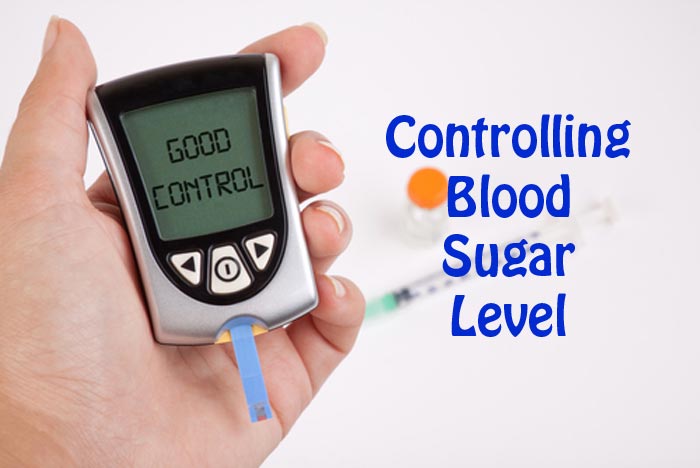
If you have diabetes, you’re aware that your overall blood sugar levels (also known as glucose) indicate how effectively you’ve managed your illness. You reduce your risk of problems including eyesight loss and renal disease by maintaining a normal and consistent level. You’ll not only be able to control your blood sugar, but you’ll also reduce your chances of having a heart attack or stroke. You’ll have extra energy as well.
Medicine can help you maintain a healthy blood sugar level. However, the foods you eat and how active you are play a role.






 LIFE SHINE