Your doctor may have advised you to focus on your diet if you have high blood pressure. Many common variables that promote high blood pressure, such as ingesting too much sodium and fatty meals, are rooted in nutrition, in addition to family history and lifestyle factors like how often you exercise.
“High blood pressure, also known as ‘hypertension,’ occurs when the force of your blood pushing against the walls of your blood vessels is greater than it should be (normal is 120/80, which is a’systolic’ and ‘diastolic’ reading), elevated is 120-129/80, and high is 130+/80+, and there are several stages of ‘high,'” says Ginger Hultin, a registered dietitian nutritionist in Seattle
The glycemic index (GI) is a measurement of how quickly carbohydrates break down and are absorbed by your body during digestion. This influences the rate at which your blood sugar levels rise.
On a scale of 0–100, the GI separates foods into low, medium, and high GI categories. Foods with a GI of 55 or below are considered low GI.
The number and kind of carbohydrates you consume have an impact on how a food impacts your blood sugar levels. Low GI meals, in particular, have been demonstrated to lower blood sugar levels in patients with diabetes.
The following are some examples of foods having a low to moderate GI:
unsweetened bulgur barley Greek yogurt non-starchy vegetables oats beans lentils legumes whole wheat pasta Furthermore, by including
While both are important, soluble fiber has explicitly been shown to improve blood sugar management, while insoluble fiber hasn’t been shown to have this effect
A high fiber diet can improve your body’s ability to regulate blood sugar and minimize blood sugar lows. This could help you better manage type 1 diabetes
Foods that are high in fiber include:
vegetables
fruits
legumes
whole grains
The recommended daily intake of fiber is about 25 grams for women and 35 grams for men. That’s about 14 grams for every 1,000 calories
Experts Reveal the Best Way to Lose Weight and Keep It Off Long-Term
Is it more vital to eat a healthy diet? Or do you want to do some exercise? Or perhaps both? We go into the data and speak with a dietician about how people can lose weight and keep it off successfully.
There are several indications of health, and one of them is weight. Weight loss, on the other hand, is a common objective for many people seeking to better their health. There are various advantages to reducing a few pounds using healthy techniques, including improved blood sugar control, lower blood pressure, and a lower chance of chronic disease. Even though you’ve certainly heard that a healthy diet and regular exercise will help you lose weight, it’s easier said than done.
Getting to and maintaining a healthy weight is influenced by your entire lifestyle. You can’t have one without the other when it comes to diet and exercise. However, they may be more beneficial at certain stages of your weight loss journey. So, what’s the greatest way to lose weight and keep it off in the long run?
There are numerous methods for losing weight, but one of the most prevalent is to create a calorie deficit. This entails taking fewer calories per day than your body burns. “Exercising is not the best way to reduce weight, according to research. Weight loss requires a calorie deficit, however studies show that it is easier to achieve and sustain a calorie deficit by modifying your food than than exercising “Younkin says. So, rather than continuously hitting the gym when you’re first starting out, try to focus on what’s on your plate. Fortunately for you, we have a wide range of weight-loss meal programs to suit any taste.
A restrictive diet, on the other hand, is not a long-term solution for weight loss. “Going on a diet isn’t the best approach to lose weight in the long run. You want to generate a tiny calorie deficit that you can maintain over time, rather than severely lowering calories and losing a lot of weight rapidly “Younkin agrees. “This can be accomplished by eating fewer portions, boosting vegetable and protein consumption, and decreasing simple carbs, sugar, and alcohol use.”
There are numerous methods for dealing with stress. Stress-relieving activities such as yoga, mindfulness meditation, and exercise are just a few examples. However, you cannot just excuse yourself to meditate or go for a long walk in the heat of the moment, such as during a high-pressured job interview or a fight with your spouse. You need something more immediate and accessible in these situations.
Engaging one or more of your senses—sight, hearing, taste, smell, touch—or moving is one of the quickest and most consistent ways to relieve stress. Because everyone is different, you’ll have to experiment to figure out which strategy works best for you—but the result will be enormous. When you know how to swiftly reduce stress, you can stay calm, productive, and focused.
Your body’s most evolved and reliable approach for controlling the nervous system is social interaction. Face-to-face communication with a calm and sympathetic listener can help you swiftly de-stress and release tension. Although having a friend to lean on in a stressful situation isn’t always possible, maintaining a network of close relationships is critical for your mental health. You’ll be covered on all fronts with sensory-based stress alleviation and good listeners.
Home monitoring can assist you in keeping track of your blood pressure, ensuring that your lifestyle modifications are working, and alerting you and your doctor to potential health issues. Blood pressure monitors are commonly available and require no prescription. Before you start, talk to your doctor about home monitoring.
It’s also important to see your doctor on a regular basis if you want to keep your blood pressure under control. If your blood pressure is under control, ask your doctor how often you should have it checked. Your doctor may advise you to check it daily or less frequently. If you’re changing drugs or treatments, your doctor may advise you to check your blood pressure two weeks after making the changes and one week before your next appointment.
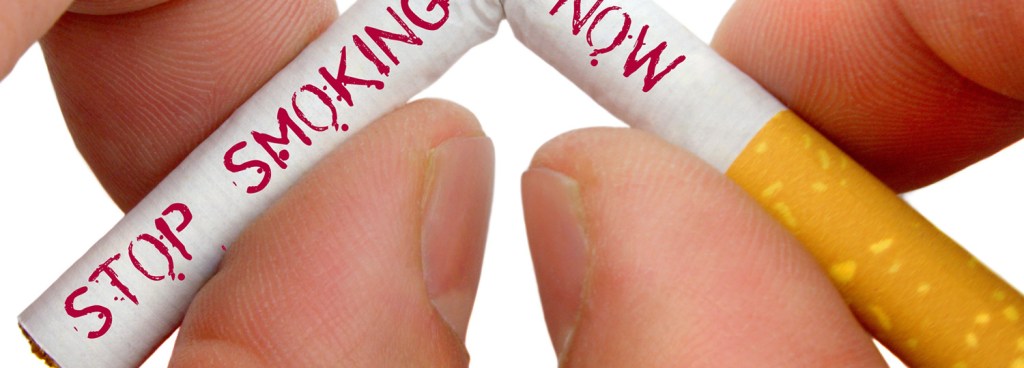
For many minutes after you finish smoking a cigarette, your blood pressure rises. Smoking cessation aids in the restoration of normal blood pressure. Quitting smoking can help you live a healthier life by lowering your risk of heart disease and improving your overall health. People who give up smoking may live longer than those who do not.
A healthy eating plan for persons with diabetes is similar to a healthy eating plan for people without diabetes. The American Diabetes Association (ADA) endorses the general public’s dietary recommendations, which include a diet rich in fruits, vegetables, whole grains, legumes (peas and beans), and low-fat dairy.
You should, however, pay close attention to your carbohydrate intake.
Vegetables, fruits, and whole grains are higher in fiber and give more nutrition per calorie than processed carbohydrates. High-fiber foods take longer to digest, resulting in a more gradual rise in blood sugar.
Carbohydrates should account for roughly 45 percent to 55 percent of total calories consumed each day for most diabetics. Make prudent carbohydrate choices, preferably from vegetables, whole grains, and fruits. Avoid white bread, pasta, and rice, as well as highly processed carbohydrates.
You may discover that certain physical activities that were once second nature are now proving to be considerably more difficult as you get older. According to a new Harvard Health study, sarcopenia (age-related muscle loss) “may begin around age 35 and occurs at a rate of 1 to 2 percent each year for the average person.” After the age of 60, it can accelerate to 3% every year. Muscle loss might be minor, moderate, or severe, or it can be within normal parameters.” Fortunately, you may avoid muscle loss by including a number of modest strength-training activities into your daily routine.
As you get older, you may notice that certain physical activities that were previously second nature are now proving to be much more challenging. Sarcopenia (age-related muscle loss) “may begin around age 35 and happens at a rate of 1 to 2 percent each year for the average person,” according to a new Harvard Health research. It can accelerate to 3% per year after the age of 60. Muscle loss might be slight, moderate, or severe, or it can stay within normal limits.” Fortunately, there are a variety of simple strength-training activities that you may include in your regular routine to help prevent muscle loss.




 LIFE SHINE